

The B2B lead generation landscape has fundamentally transformed. In 2026, LinkedIn dominates with 75-85% of all B2B leads originating from social media, making it the undisputed sovereign channel for business development. Yet most companies are still treating LinkedIn as a manual, time-intensive activity rather than an automated revenue engine.
This comprehensive guide reveals how forward-thinking B2B organizations are building autonomous LinkedIn B2B lead generation automation pipelines that generate qualified leads while their sales teams focus on closing deals. From intent-based targeting to smart DM triage systems, we’ll explore the complete architecture of modern lead generation machines.
📋 Table of Contents
LinkedIn as a Sovereign Lead Channel
In 2026, LinkedIn has transcended its role as a professional networking platform to become the de facto sovereign lead channel for B2B organizations worldwide. The statistics speak for themselves: LinkedIn now drives 75-85% of all B2B leads from social media, delivering a staggering 277% higher effectiveness for lead generation compared to Facebook and Twitter combined.
With 41% of all B2B ad budgets now flowing through LinkedIn’s advertising ecosystem and an average Lead Gen Form conversion rate of 13% (triple the industry landing page average), the platform has proven its dominance. The question is no longer whether to use LinkedIn—it’s how to build an autonomous pipeline that works 24/7 without constant manual intervention.
Why LinkedIn Commands B2B Dominance
The platform’s unique position stems from several converging factors. First, LinkedIn hosts the highest concentration of decision-makers, C-suite executives, and procurement professionals actively seeking business solutions. Second, the professional context of interactions creates天然 higher intent signals—people on LinkedIn are in a business mindset.
Third, and most importantly for autonomous systems, LinkedIn’s API ecosystem and third-party tool integrations have matured significantly. This enables sophisticated automated social media outreach workflows that were impossible just three years ago. The platform has essentially become the operating system for B2B lead generation.
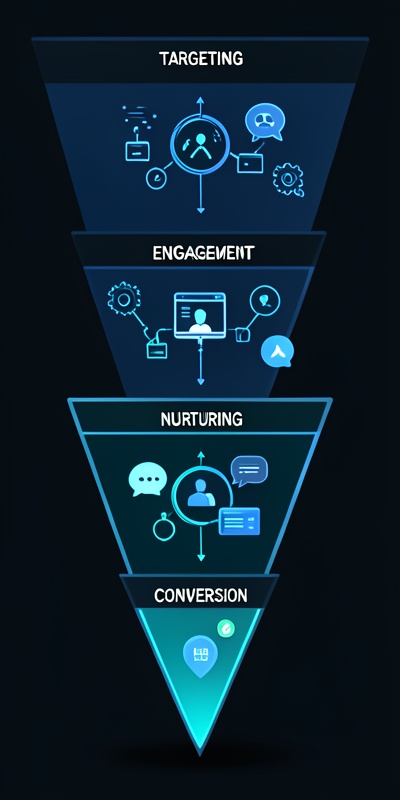
Scouring Trends for Intent-Based Outreach
The era of spray-and-pray outreach is dead. In 2026, successful B2B lead generation relies on intent-based targeting—identifying prospects who are actively showing buying signals before they even fill out a form. With 98% of website visitors disappearing without converting, and only 2% of B2B traffic typically converting to leads, understanding and capturing intent signals has become the competitive advantage.
🔍 Intent Signal Categories
- ●Behavioral Signals: Content engagement, page visits, time on pricing pages, download activity
- ●Social Signals: Post interactions, comment sentiment, connection requests to your team
- ●Firmographic Signals: Company growth, hiring patterns, technology stack changes, funding rounds
- ●Technographic Signals: New tool adoption, competitor vendor switches, infrastructure changes
Building Your Intent Radar System
Modern LinkedIn B2B lead generation automation platforms leverage AI to monitor multiple data streams and identify when prospects enter a buying window. These systems analyze:
- ✓ LinkedIn post engagement patterns — Identifying when prospects engage with competitor content or industry pain point discussions
- ✓ Profile view spikes — Detecting when decision-makers view your company page multiple times
- ✓ Job change alerts — Triggering outreach when prospects move into buying roles
- ✓ Company news events — Funding, expansion, leadership changes that indicate budget availability
- ✓ Content consumption data — Whitepaper downloads, webinar registrations, pricing page visits
When these signals converge, your automation system triggers personalized outreach sequences that address the prospect’s specific situation—dramatically improving response rates compared to generic messaging.
Smart DM Triage: Human vs. AI
One of the most critical decisions in building autonomous lead generation systems is determining which conversations require human intervention and which can be handled by AI. This is the essence of smart DM triage—a systematic approach to routing, responding to, and escalating LinkedIn messages based on their potential value and complexity.
“The best autonomous systems aren’t about replacing humans—they’re about amplifying human capabilities by handling the 80% of conversations that don’t require emotional intelligence, so your team can focus on the 20% that close deals.”
The Triage Framework: Four Categories
Every inbound LinkedIn message can be categorized into one of four quadrants based on two variables: lead quality (fit with your ICP) and engagement depth (stage in buying journey):
🔴 HIGH FIT + HIGH ENGAGEMENT
→ Route to Sales Immediately
Direct handoff. Schedule call. High priority.
🟡 HIGH FIT + LOW ENGAGEMENT
→ AI Nurture Sequence
Automated value content. Monitor for engagement spikes.
⚪ LOW FIT + HIGH ENGAGEMENT
→ AI Standard Response
Friendly but not priority. Add to general nurture.
⚫ LOW FIT + LOW ENGAGEMENT
→ Auto-Archive / Minimal Touch
No value exchange. Simple acknowledgment if needed.
AI Response Capabilities in 2026
Modern AI-powered DM systems can handle a remarkable range of responses autonomously:
- ✓ Personalized first-line responses referencing prospect’s recent activity
- ✓ Answering common product questions with approved knowledge base content
- ✓ Scheduling meeting links and calendar integrations
- ✓ Sending relevant content based on conversation context
- ✓ Qualifying questions to determine budget, timeline, and authority
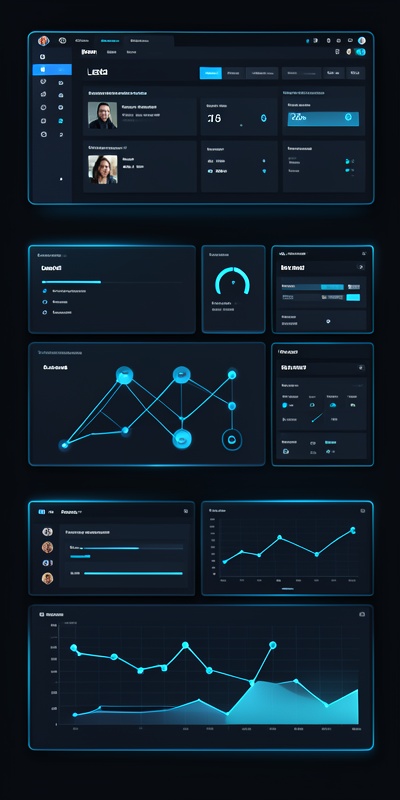
Content Distribution & Authority Building
Content remains the foundation of effective automated social media outreach, but in 2026, distribution strategy matters as much as content creation itself. The most successful autonomous systems treat content as fuel for their lead generation engine—systematically amplifying every piece across multiple touchpoints.
The 80/20 Content Framework
Your content strategy should follow the 80/20 rule for maximum automation efficiency:
📚 Educational Content (80%)
- • Industry insights and trends
- • How-to guides and tutorials
- • Case studies and success stories
- • Thought leadership posts
- • Data-driven research reports
🎯 Promotional Content (20%)
- • Product announcements
- • Webinar/event promotions
- • Special offers
- • Demo invitations
- • Client wins (with permission)
Automated Content Amplification Workflows
Modern systems automatically amplify content across multiple vectors:
- ✓ Scheduled posting — Optimal time distribution based on audience activity patterns
- ✓ Comment engagement — AI responds to comments to boost algorithmic reach
- ✓ Connection outreach — Personalized messages to engage with commenters
- ✓ Newsletter integration — Automatic sync to email lists for extended reach
Syncing Social Leads to Your CRM
The final—and often most critical—component of an autonomous lead generation pipeline is seamless CRM integration. The statistics are compelling: 60% of B2B teams now integrate CRM systems with marketing automation tools, resulting in a 50% reduction in data entry and a 35% improvement in lead follow-up rates.
Teams Using CRM + Automation Integration
Reduction in Manual Data Entry
Improvement in Lead Follow-Up Rates
Essential Data Points to Capture
Your LinkedIn-to-CRM sync should capture a comprehensive profile for every lead:
Automation Triggers Based on CRM Data
With proper integration, your system can trigger automated actions based on CRM data:
- ✓ Score-based routing — High-score leads instantly notify sales via Slack/email
- ✓ Stage-based sequences — Different nurture paths based on where leads enter funnel
- ✓ Re-engagement workflows — Cold leads automatically entered into revival sequences
- ✓ Task creation — CRM tasks auto-created for human touchpoints in the journey
Recommended Automation Tools & Tech Stack
Building an autonomous LinkedIn pipeline requires the right technology stack. In 2026, the landscape has consolidated around several key platforms that integrate seamlessly:
🔗 LinkedIn Automation Platforms
Dux-Soup, Phantombuster, Lemlist, MeetAlfred
Use: Automated connection requests, messaging sequences, profile visits
📊 CRM Platforms
HubSpot, Salesforce, Pipedrive, Zoho CRM
Use: Lead management, pipeline tracking, sales automation
🤖 AI & Intent Data
Clearbit, Apollo.io, ZoomInfo, Bombora
Use: Intent signal detection, firmographic data, lead enrichment
💬 AI Messaging
Exceed.ai, Conversica, Drift, Intercom
Use: Intelligent DM responses, qualifying conversations
Key Metrics & Performance Benchmarks
Tracking the right metrics is essential for optimizing your autonomous pipeline. Here are the key performance indicators you should monitor:
Average DM Response Rate (Automated)
Connection Request Acceptance Rate
Conversion Improvement with AI Scoring
Key Takeaways
- ✓ LinkedIn dominates B2B lead generation with 75-85% of social media leads—treat it as your sovereign channel for LinkedIn B2B lead generation automation
- ✓ Build intent-based targeting systems that identify prospects showing active buying signals before they fill out forms
- ✓ Implement smart DM triage to route conversations appropriately—let AI handle 80% while humans focus on high-value interactions
- ✓ Distribute content strategically using an 80/20 educational-to-promotional ratio to fuel your automation engine
- ✓ Sync all social leads to your CRM with comprehensive data capture—60% of teams using integration see 50% less data entry
- ✓ Monitor key metrics including response rates (target 25-35%), connection acceptance (10-15%), and leverage AI-powered scoring for 30% conversion improvements
Ready to Build Your Autonomous Pipeline?
Let Anagata IT Solutions help you design and implement a complete LinkedIn lead generation automation system tailored to your B2B goals.
Get in TouchRelated Articles
Beyond RAG: AI Information Synthesis for Enterprise Systems
Artificial Intelligence • 9 min read Beyond RAG: AI Information Synthesis for Enterprise Systems As enterprises race to…
Artificial IntelligenceDigital Twin for Founders: Scaling Decision-Making Through Agentic AI
Digital Twin for Founders: Scaling Decision-Making Through Agentic AI Artificial Intelligence • 12 min read Imagine having a…
Artificial IntelligenceThe Autonomous Finance Stack: Automating Startup Bookkeeping with n8n and Supabase
Process Automation • 12 min read The Autonomous Finance Stack: Automating Startup Bookkeeping with n8n and Supabase Transform…
Process Automation