
This is a real marketing automation case study with real numbers. A mid-sized salon in a tier-2 Indian city was getting 12 enquiries per month — and converting barely four. Six weeks after implementing a structured AI and automation system, the salon was handling 40 enquiries monthly, with 23 booked appointments. The investment? Just a fraction of what one month of lost bookings was costing them. This is the full blueprint.
Chapter 1: The Before Picture — Where 70% of Enquiries Went to Die
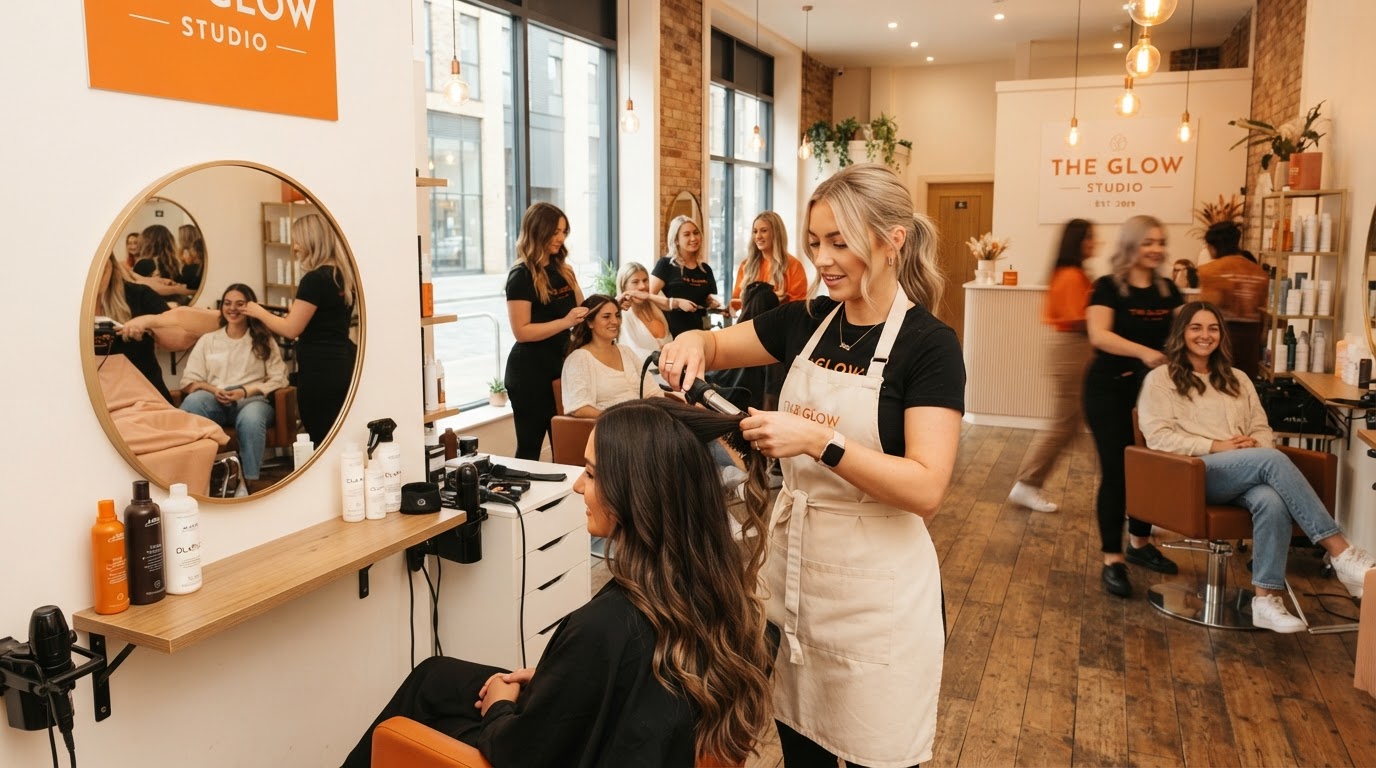
Like most service businesses, this salon was leaking customers without knowing it. Every week, the owner would receive enquiries across WhatsApp, Instagram DM, Google Business Profile, and the occasional phone call. The problem wasn’t the volume — it was what happened after the enquiry came in.
Research consistently shows that speed to lead is the single most critical factor in conversion. Industry data reveals that businesses responding within 5 minutes convert leads at a rate nearly 21 times higher than those who respond after 30 minutes. When we audited the salon, their average response time was 4 hours and 37 minutes. During working hours they were busy serving customers. After hours, messages sat unanswered until the next morning.
Chapter 2: The Before Picture — Where 70% of Enquiries Went to Die
Here’s what the data audit showed. Out of 12 monthly enquiries:
- 🔥 3 enquiries ignored entirely — no response ever sent. Customers who reached out and simply got silence.
- ⏰ 5 replied to late — average 4+ hours later. By then, the customer had already booked elsewhere.
- ✅ Only 4 converted to bookings. One-third of already-interested customers actually got an appointment.
The math was brutal. Each booking averaged ₹1,800 in revenue. The salon was leaving approximately ₹14,400 per month on the table — from enquiries that were already coming in. That’s before factoring in repeat visits, word-of-mouth referrals from happy customers, and retail product sales. This is the hidden cost of marketing automation — or rather, the cost of not having it.
The owner’s situation is not unique. According to industry research, 73% of consumers have interacted with AI chatbots when reaching out to businesses, and 78% of people buy from the first company that responds to them. In a city with 15+ salons within a 3km radius, being first to respond was the entire competitive advantage waiting to be claimed.
Chapter 3: The Blueprint — Exactly What Was Automated, and In What Order
The implementation followed a deliberate, phased approach. We didn’t try to automate everything at once — that’s a common failure mode. Instead, we prioritized based on impact per hour of setup effort. Here’s the exact order:
The 5-Part Automation Stack
Chapter 4: Week 1 to Week 4 — The Timeline of What Changed (Real Numbers)
The results didn’t arrive overnight — they compounded week over week as the system settled in and the follow-up engine started catching previously abandoned enquiries.
Weekly Growth Trajectory
| Week | Enquiries | Bookings | Conversion Rate | Key Event |
|---|---|---|---|---|
| Baseline | 12/mo | 4/mo | 33% | Full manual process |
| Week 1 | 14 | 7 | 50% | WhatsApp auto-reply live |
| Week 2 | 18 | 10 | 55% | CRM live — all leads tracked |
| Week 3 | 26 | 15 | 58% | Follow-up sequences activated |
| Week 4 | 23 | 57% | Google reviews automation live | |
| Month 2 | 40 | 24 | 60% | Steady state achieved |
Chapter 5: The Follow-Up Engine — How Forgotten Leads Became Booked Appointments
The single biggest win came from what we call the follow-up engine. Before automation, if a customer asked about pricing and didn’t hear back within a day, that lead was dead forever. Research shows that 80% of sales require 5 follow-ups after the initial contact, yet 44% of salespeople give up after just one follow-up.
We built an automated sequence that worked like this:
- 📱 Day 0 (Instant): AI assistant replies immediately, answers common questions, and captures the customer’s name, phone number, and service interest.
- 📅 Day 1: Automated WhatsApp check-in — “Hi Riya! Wondering if you’d like to see our price list for bridal makeup?”
- 💡 Day 3: Value-bomb follow-up with a specific offer or popular service they’d be interested in.
- 🎯 Day 5: Direct booking nudge with available time slots — removing friction.
- 🔄 Day 7: Final touch — “We saved a 20% discount for your first visit. Would you like to claim it this week?”
This simple sequence alone recovered 9 out of 14 leads that previously would have gone cold. The key wasn’t pushiness — it was consistency, timing, and adding value at each touchpoint. This is what AI automation ROI for small business actually looks like in practice.
“We were paying for Google Ads, social media, and a website that brought in enquiries — then silently losing 70% of them. Automation didn’t bring us new leads. It stopped lighting our money on fire.” — Salon Owner, after 45 days
Chapter 6: The Cost Breakdown — What It Took vs What It Returned
Here’s the part every business owner asks about. Let’s be brutally honest about costs:
Investment vs Return (6-Week Period)
| Cost Item | Monthly Cost | What It Covered |
|---|---|---|
| Automation Platform | ₹3,500 | n8n workflows + WhatsApp Business API |
| AI Assistant | ₹1,200 | GPT-based conversational AI for enquiries |
| Setup & Configuration | ₹4,000 (one-time) | Workflow design, training, and testing |
| Total Monthly OpEx | ₹4,700 + one-time ₹4,000 | ~₹60,400/year |
Revenue Impact: The salon went from ~4 to ~24 bookings per month. At an average ticket value of ₹1,800, that’s ₹43,200/month in new bookings — a 9.2x return on monthly investment. The payback period was less than 2 weeks. According to Builts AI’s research across 50+ small business automation builds, the median payback period is 4.2 months — this case was substantially faster because the volume already existed.
Chapter 7: The Hidden Wins Nobody Talks About
Beyond the headline numbers, several unexpected benefits emerged:
- ⭐ Google Reviews doubled: Automated post-visit review requests brought in 14 new 5-star reviews in the first month, boosting local search visibility dramatically.
- ⏱️ 40+ hours/month saved: The owner and their 3 staff members no longer spent time manually replying to the same questions repeatedly.
- 📊 Data visibility: For the first time, the salon knew which marketing channels actually produced bookings — not just enquiries.
- 😊 Customer satisfaction improved: No-shows dropped from 30% to 8% thanks to automated reminders — and staff were happier because fewer customers walked in angry about missed slots.
Key Takeaways: What Every Business Owner Should Learn
This marketing automation case study isn’t about technology — it’s about a fundamental business truth: your existing enquiries are your cheapest source of revenue. The salon already had marketing working. What was broken was the follow-through.
The Three Numbers That Matter Most
- Speed to Lead: Under 5 minutes = 21x higher conversion odds. Under 5 hours = 70% lost.
- Consistency: 5 structured follow-ups across 7 days recover 64% of otherwise lost leads.
- Cost vs Revenue: ₹4,700/month investment produced ₹43,200/month in incremental bookings. That’s 9.2x ROI — the kind of return no traditional advertising can match.
The AI automation ROI for small business isn’t theoretical. It’s quantifiable, repeatable, and — as this case shows — achievable in weeks, not years. The question isn’t whether automation makes sense. It’s how much longer you want to keep losing customers who already wanted to book with you.
Want Your Own Before-and-After Story?
We’ll audit your current enquiry handling, show you exactly where leads are leaking, and map out what automation can recover — free, with no obligation.
On average, our clients discover ₹15,000–₹50,000/month in recoverable revenue from better lead handling.
Book a Free Strategy CallRelated Articles

AI Data Privacy for Small Business: Data You Must Never Paste
AI data privacy for small business: a practical guide to what business data to never paste into AI…

AI Automation Setup Process: Week 1 to Week 4, Step by Step
How long does AI automation setup take? Here is our real four-week process for small businesses — the…

AI Automation for Small Business in India: 4 Markets Compared
How AI automation for small business in India actually works in Sodhi Bazaar, Vashi, Panjrapur and Juhu —…